Should You Buy the Pulsefire Raid in 2026? A Deep Dive
I've been using the Pulsefire Raid as my primary mouse for the last six months, and after weeks of gaming sessions, workdays filled with spreadsheets and code, and a few long travel days where it lived in my backpack, I feel ready to give a thorough, honest take. In this article I walk through what I liked, what bothered me, how it performed in real-world use, and who I think should (and shouldn’t) buy it in 2026.
Quick snapshot: what I bought and why
I bought the Pulsefire Raid because I wanted a wired mouse with a lot of programmable buttons for both gaming and productivity. My primary use cases were MMO/MMO-lite gaming, productivity shortcuts (video editing, window management), and occasional travel where I prefer the predictability of a wired connection. The marketing promised a comfortable ergonomic shell, many side buttons, and easy customization. What I found was a very competent, focused tool that excels in certain niches and disappoints in a few details.
Design and build: comfortable, functional, but not perfect
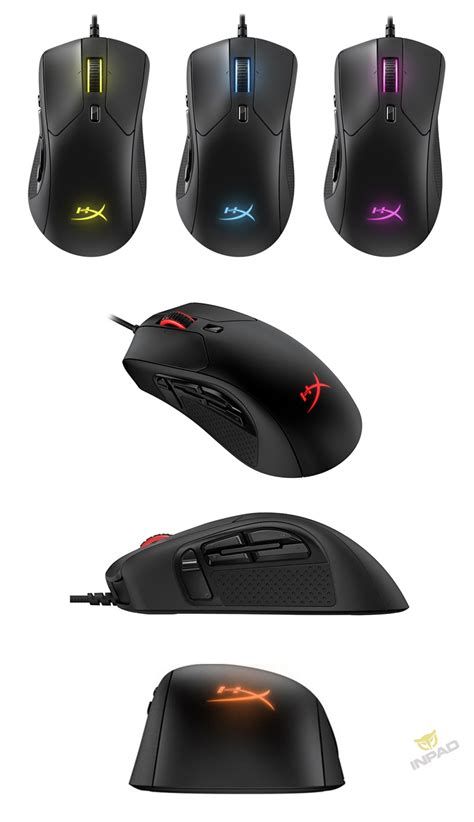
Out of the box the Pulsefire Raid feels solid. The shell is sculpted for a right-handed palm/grip and suits my medium-to-large hands well — I use a palm-to-hybrid grip depending on the task. The textured thumb rest gives a secure hold during long sessions, and the finish hasn’t shown any noticeable wear after months of daily use.
One of the first things you notice are the side buttons. There are a lot of them, arranged in two vertical rows plus a larger thumb paddle — they’re all easy to reach without major hand repositioning. In my experience that layout is great for binding abilities in MMOs and for assigning complex macros when editing video or switching virtual desktops. The buttons are tactile and give clear feedback, though a few of the smaller ones require more deliberate presses; they can feel slightly stiff at times, which made rapid spamming of adjacent abilities a little awkward until I adjusted my finger placement.
The scroll wheel is tactile and accurate for typical scrolling and weapon switching, but it isn’t the smoothest I’ve used for ultra-fast free-spins. The main left/right mouse buttons have held up well — no double-clicking or loose hinges so far — but I would have liked slightly crisper travel for click-heavy competitive shooters.
The cable is braided and relatively flexible. It doesn’t snag on mouse pads and the connector feels sturdy. Because this is a wired mouse, you get the consistent connection I prefer for gaming; there’s no battery to manage and no wireless latency caveats.
Performance: tracking, responsiveness, and real-world use
In practical use, the Pulsefire Raid’s tracking has been dependable. I played a variety of games — MMOs, action RPGs, and a bit of arena shooter — and used it extensively for photo and video editing. The sensor kept up with fast flicks and precise aim adjustments without perceptible jitter or skipping in my sessions. I didn’t do lab-grade DPI benchmarking, but in everyday usage the cursor felt fluid and predictable.
Where the Pulsefire Raid shines is in multi-key bindings and productivity macros. I mapped frequently used editing shortcuts and window-management actions to the side buttons; the Logitech-style quick access to macros saved me a lot of time when cutting together clips. For MMO play, having several buttons under my thumb meant I could bind rotations comfortably without overusing modifier layers. If you want to minimize keyboard reliance or consolidate complex hotkeys under the thumb, this mouse is a real productivity booster.
That said, I noticed a couple of trade-offs. The mouse is a bit heavier than some ultralight models, which I personally found comfortable for longer sessions, but players who prefer featherlight mice for twitchy arena shooters may find it sluggish. Also, while the side buttons are excellent for breadth of input, their proximity sometimes led to accidental presses until I retrained my grip for muscle memory.
Shop the latest Electronics picks on Amazon.
See Deals →Software and customization
I used the accompanying configuration software for customizing button assignments, lighting, and DPI stages. The software lets you create multiple profiles and assign macros per-profile, and that’s been the backbone of how I tailored the mouse for different applications. I appreciated being able to set distinct profiles for "Work," "MMO," and "Shooter" that switch automatically with detecting application focus.
My experience with the software has been mixed. On the positive side, the macro recording and button remapping were straightforward, and importing/exporting profiles worked when I moved between machines. On the negative side, some interface flows felt a little clunky — saving a setting sometimes took more clicks than it should, and cloud sync (when I used it) was occasionally slow to propagate between my desktop and laptop. The software updates fixed a couple of minor bugs over the months I owned it, which shows the company is still maintaining it.
Durability and long-term impressions
After six months of daily use, the Pulsefire Raid shows only minor cosmetic wear: faint palm shine on the left button and a little softening of the thumb paddle’s texture. Functionally everything still works. I abuse my peripherals — long sessions, frequent button presses, travel — and this mouse held up. The braided cable shows no frays and the USB connector is snug. Based on that, I’d say durability is above average for its class.
What I appreciated
- Plenty of programmable buttons: The multiple thumb buttons significantly improved my productivity and made MMO play easier without complex keyboard gymnastics.
- Comfortable ergonomic shape: For medium-to-large hands, the shape supports long sessions with minimal fatigue.
- Reliable wired connection and durable cable: No battery headaches, consistent input, and a braided cable that didn’t snag.
- Software profiles and macro flexibility: I liked being able to tailor profiles per application and assign complex macros easily.
- Solid build quality: The click feel has stayed consistent over months with no hinge issues or double-click problems.
What I didn’t like
- Side buttons can be stiff: Some of the smaller side buttons take a firm press and can feel awkward during rapid inputs.
- Not ideal for ultralight mouse fans: The weight is comfortable for me but may be a downside for players who favor very light mice for fast flick shots.
- Software could be smoother: The configuration app works but has occasional UX friction and slow cloud synchronization.
- Scroll wheel not exceptional for free-spins: It’s accurate, but not the best for fast, loose spinning compared to a few premium wheels I’ve used.
Pros & Cons
- Pros:
- Many programmable buttons ideal for MMOs and productivity
- Comfortable right-handed ergonomic design
- Durable braided cable and sturdy build
- Flexible profile and macro customization
- Cons:
- Some side buttons feel stiff and can be awkward for rapid presses
- Heavier than ultralight mice — not ideal for twitch-focused shooters
- Configuration software is functional but could be more polished
- Scroll wheel not the most fluid for rapid free-spins
How it compares to other mice I’ve used
To give context, I compared the Pulsefire Raid against two mice I’ve used recently: a feature-rich multi-button mouse popular with MMO players and a mainstream all-purpose gaming mouse that leans toward FPS play. Below I summarize the differences qualitatively.
| Feature | Pulsefire Raid (my copy) | Multi-button MMO mouse (reference) | All-purpose FPS mouse (reference) |
|---|---|---|---|
| Button count and layout | Many side buttons in two rows + thumb paddle; great for macros | Often similar or more dedicated lateral rows designed for MMO rotations | Fewer side buttons, focused on minimalism for quick flicks |
| Ergonomics | Sculpted right-handed shape; comfortable for medium-large hands | Ergonomic but sometimes bulkier to accommodate more buttons | Varied shapes, frequently lower profile for palm/claw hybrid grips |
| Weight | Moderate; feels substantial in hand | Often heavier due to extra hardware | Tends to be lighter (some ultralight models extremely light) |
| Software | Functional macro/profile system; occasional UX friction | Advanced macro options; varies by brand | Good DPI and profile options; simpler macro needs |
| Best use case | MMO/MMO-lite, productivity, mixed gaming | Heavy MMO users with deep rotation needs | FPS players and those who prefer minimal side inputs |
Buying guide: is the Pulsefire Raid right for you in 2026?
If you’re weighing a purchase in 2026, here are the practical criteria I used when deciding and the questions you should ask yourself.
1. Do you need lots of thumb buttons?
If your playstyle or workflow benefits from many readily accessible inputs — for example, MMOs, MMORPG rotation-heavy play, streaming controls, or mapping complex editing shortcuts — the Pulsefire Raid’s button layout offers real value. I mapped tools and macros that saved me time every day.
2. What’s your grip and hand size?
Try to match the mouse’s shape to your grip. The Pulsefire Raid is built for a right-handed palm/hybrid grip and favors medium-to-large hands. If you have very small hands or prefer fingertip grips, test the mouse in person if possible. I notice reduced comfort with smaller hands and fingertip-only grips after long sessions.
3. Are you an ultralight/competitive FPS player?
If you chase the lightest possible mouse for the lowest inertia in fast twitch shooters, the Pulsefire Raid isn’t the ideal pick. Its modest heft and emphasis on side buttons trade weight for input capability. I still used it for arena shooters occasionally, but for peak twitch performance I switched to a much lighter model.
Find top-rated Electronics products at great prices.
See Deals →4. Do you prefer wired reliability over wireless freedom?
The wired connection gives consistent input and avoids battery management. If you travel a lot and don’t want to rely on batteries or dongles, the Pulsefire Raid’s wired setup is an advantage. If you need a tidy desktop with no cable, consider a wireless alternative.
5. How important is software polish?
If you depend on flawless cloud profile sync across multiple machines, note that the software works but isn’t the smoothest I’ve used. Profile creation, macro recording, and per-app switching are all present, but expect a learning curve and occasional syncing delays.
6. Budget and longevity
Consider how long you plan to keep the mouse. For the money I spent, the build quality has held up well. If you want a mouse that will last multiple years with steady daily use, the Pulsefire Raid feels like a sound investment — assuming its button set matches your needs.
Practical tips from my experience
- Spend time customizing profiles right away. The initial setup I made paid off within days because my common shortcuts were under my thumb.
- Adjust your grip early. Small changes in thumb placement eliminated most accidental side-button presses for me.
- Use a dedicated mouse pad with a clean surface — the sensor performed best on a stable cloth surface in my testing.
- Keep the software updated. Firmware and driver updates during my ownership fixed small issues and improved profile stability.
Final verdict
After using the Pulsefire Raid for months, here's my honest summary: I recommend it if you want a wired, durable mouse with a lot of programmable buttons for MMOs and productivity. It’s comfortable for extended use, the hardware has held up well, and the customization options genuinely improved my workflow and gameplay.
If you prioritize the absolute lightest weight for twitch-first competitive shooters or want the smoothest possible software experience out of the box, you might find better fits elsewhere. Likewise, if you have very small hands or prefer fingertip grips, try it in person before buying.
Overall, in 2026 I still consider the Pulsefire Raid a practical, well-built choice for a specific set of users: MMO players who want convenience and power under the thumb, streamers and editors who want macro-heavy control, and anyone who values wired reliability and a large array of accessible inputs. It’s not perfect, but for my mix of gaming and productivity it has become a trusted daily driver.